
.png)

Welcome to 2024, where mastering the art of budgeting and spending is more crucial than ever for achieving financial success. With the right strategies and a commitment to regular financial planning, you can take control of your money and pave the way to a prosperous future. In this article, we will delve into budgeting techniques, debt repayment strategies, savings options, and the importance of maintaining a consistent budgeting schedule to enhance your spending habits.
Key Takeaways
Mastering budgeting techniques and implementing frugal living strategies can significantly improve personal finances.
Prioritizing the repayment of high-interest debts and creating a structured plan are essential for financial freedom.
Exploring various savings options, such as retirement accounts and emergency funds, is key to securing a financial future.
Monthly budget meetings are crucial for staying on track with financial goals and adjusting plans for stability.
Enhancing spending habits through mindful spending and goal setting can lead to long-term prosperity and savings.
Mastering Budgeting Techniques for Financial Success
Implementing Budgeting Solutions
To achieve financial success, one must master the art of consistent budgeting. It's not just about tracking expenses but also about creating a plan that aligns with your financial goals and lifestyle. A well-implemented budget can lead to informed decision-making and open doors to saving and investing opportunities, ensuring a secure financial future.
Consistent budgeting is not a one-time event but a continuous process. It's important to practice for at least three months before assessing its effectiveness in your financial life.
Here are some essential steps to strive for consistent budgeting:
Review your income and expenses regularly.
Categorize your spending and set limits for each category.
Adjust your budget as needed to reflect changes in your financial situation.
Utilize financial tools to track your expenses and stay on target.
Remember, budgeting is about continuous improvement and developing healthy financial habits. Use your budgeting session as a tool for self-reflection and positive change.
Frugal Living for Long-term Savings
Adopting a frugal living approach is essential for achieving long-term savings. It's about more than just cutting coupons; it's a lifestyle choice that prioritizes financial stability. By focusing on needs over wants, you can find greater satisfaction in simplicity and make significant strides in your savings journey.
To truly embrace frugality, reevaluate your purchasing decisions regularly. Seek out deals and discounts, and always question whether a purchase aligns with your long-term financial goals.
Here are some practical steps to incorporate frugality into your daily life:
Gamify money management to make saving an engaging experience.
Cancel unused subscriptions to avoid wasteful spending.
Cut down on takeout expenses by cooking more meals at home.
Eliminate non-essential expenses and redirect those funds to your savings.
Remember, the goal is to lower expenses while still enjoying a fulfilling life. By managing your debt wisely and putting extra savings into an interest-earning account, you can build your savings more effectively.
Setting and Tracking Financial Goals
To ensure financial success, it's crucial to set clear and achievable financial goals for the year ahead. Start by outlining your major financial aspirations, such as saving for a down payment on a house, preparing for retirement, or funding an education.
Consistent budgeting is the cornerstone of reaching these objectives. It allows you to allocate funds effectively and see your progress in real time.
Here are some steps to help you track your financial goals:
Create a detailed budget for 2024, incorporating your financial goals.
Track your income and expenses to understand your spending patterns.
Celebrate financial milestones, such as reaching a savings target or paying off debt.
Schedule regular budget reviews to adjust your plan as needed and stay on track.
Remember, revisiting your budget regularly is essential to ensure it remains aligned with your financial goals. Adjustments may be necessary as your circumstances change or as you achieve your milestones. By staying diligent and flexible, you can maintain financial stability and work towards your long-term success.
Strategies for Effective Debt Repayment

Prioritizing High-Interest Debt
When tackling multiple debts, prioritizing high-interest debt is crucial for financial health. This approach, often referred to as the avalanche method, involves listing your debts from the highest interest rate to the lowest and focusing your extra payments on the debts at the top of the list. By doing so, you'll save on the total interest paid over time.
It's essential to make more than the minimum payments whenever possible to accelerate the repayment process. Any additional funds should be directed towards the debt with the highest interest rate.
Here are some practical steps to help you prioritize your high-interest debts:
Identify and list all your debts, starting with the highest interest rate.
Allocate any extra funds to the debt at the top of your list.
Examine your spending habits and identify areas where you can cut back.
Remove temptations by deleting credit card information from online stores.
Use cash or debit cards instead of credit to prevent increasing your debt.
Remember, addressing the underlying cause of your debt is just as important as the repayment strategy itself. Whether it's due to cost of living, low income, no savings, overspending, or an unexpected medical issue, understanding the root can help prevent future debt accumulation.
Creating a Debt Repayment Plan
To effectively manage and eliminate debt, a well-structured repayment plan is essential. Start by evaluating all your debts and prioritizing them, focusing on high-interest ones to minimize overall interest costs. This approach not only helps in saving money but also streamlines the repayment process.
A successful debt repayment plan hinges on the ability to adjust your budget and cut back on non-essential expenses. Redirect any savings towards your debts, starting with the smallest balances to gain momentum—a technique known as the snowball method.
Consider various strategies that suit your financial situation, such as the avalanche method, which targets high-interest debts first, or debt consolidation for a simplified single payment. Remember, the goal is to create a plan that is both manageable and effective in reducing your debt burden.
Evaluate and prioritize debts
Adjust budget to free up funds
Implement the snowball or avalanche method
Explore debt consolidation options
Lastly, consider using cash or debit for transactions to prevent increasing your credit card debt, and seek assistance from non-profit credit counseling agencies if needed.
Utilizing Debt Reduction Methods
To effectively reduce debt in 2024, it's crucial to choose a strategy that aligns with your financial situation and goals. The debt snowball method is a popular choice, providing a sense of accomplishment as you eliminate smaller debts first, potentially leading to increased motivation. However, it's important to consider the trade-offs, such as potentially higher interest costs compared to other methods.
Another approach is the debt avalanche method, which prioritizes high-interest debts, saving you more on interest over time. This method can be less motivating, as it often involves tackling larger debts first. For those with good credit, a debt consolidation loan can simplify repayments into a single monthly payment and may offer a lower interest rate, though it doesn't necessarily reduce the total debt owed.
Balance transfer options can also be beneficial, especially if you can secure a card with a lower interest rate or a promotional 0% APR period. This can accelerate debt repayment by saving on interest charges. Additionally, increasing your income through side hustles or freelance work can provide extra funds to pay off debt more quickly.
By carefully evaluating and selecting the most suitable debt reduction method, you can create a more manageable path towards financial freedom. It's essential to adjust your budget, cut back on unnecessary expenses, and redirect savings towards debt repayment.
Maximizing Savings Options in 2024

Exploring 401(k) Plans and IRAs
As we step into 2024, Retirement Saving Will Get Easier due to the SECURE 2.0 Act. Starting after Dec. 31, 2024, most new 401(k) and 403(b) plans will feature automatic enrollment, encouraging more employees to begin saving for retirement unless they choose to opt out.
When considering retirement savings, it's essential to understand the differences between 401(k) plans and Individual Retirement Accounts (IRAs). Both offer unique tax advantages that can significantly impact your long-term financial planning.
401(k) plans often include employer matching contributions, which can effectively double your savings rate up to a certain percentage.
IRAs provide flexibility in investment options and, depending on the type, may allow for tax-free withdrawals.
It's crucial to evaluate your current financial situation and retirement goals to determine the best mix of these saving options for your portfolio.
Remember, the key to maximizing your retirement savings is to start early, contribute regularly, and take full advantage of any employer matching if available. By doing so, you can enjoy the benefits of compound interest and build a substantial nest egg for your golden years.
Building an Emergency Fund
An emergency fund is the bedrock of a secure financial foundation, providing a buffer against life's unforeseen events. Assess your risk level to set your emergency fund goal, considering factors like job stability and health. Most experts suggest aiming for three to six months' worth of living expenses. This fund can be a financial lifesaver, offering peace of mind during turbulent times.
To begin, open a high-interest savings account specifically for your emergency fund. It's wise to keep this separate from your checking account to reduce the temptation to dip into it for non-emergencies. When you do need to use these funds, do so without guilt, recognizing the purpose they serve, and make plans to replenish what was used.
Building a robust emergency fund is not just about having the funds available; it's about the financial discipline to grow and maintain it. Regular contributions, even in small amounts, can quickly accumulate, ensuring that you're prepared for whatever life throws your way.
Understanding Health Savings Accounts
Health Savings Accounts (HSAs) offer a unique opportunity for individuals with high-deductible health plans to save for medical expenses while enjoying a triple tax advantage. Contributions to your HSA are tax-deductible, the earnings grow tax-free, and withdrawals for qualified medical expenses are also tax-free.
For 2024, the HSA contribution limits have been updated. Individuals can now contribute up to $4,150, and families can contribute up to $8,300. This increase allows for greater potential savings and security against future medical costs.
It's essential to understand the benefits and limitations of HSAs to make the most of this saving option. By strategically contributing to your HSA, you can ensure that you're prepared for medical expenses while also taking advantage of the tax benefits.
Remember, every dollar saved is a step towards a more secure financial future. Even with limited disposable income, prioritizing contributions to your HSA can provide peace of mind and a financial safety net for health-related expenses.
Scheduling and Maintaining Monthly Budget Meetings
Planning Your Budget Calendar
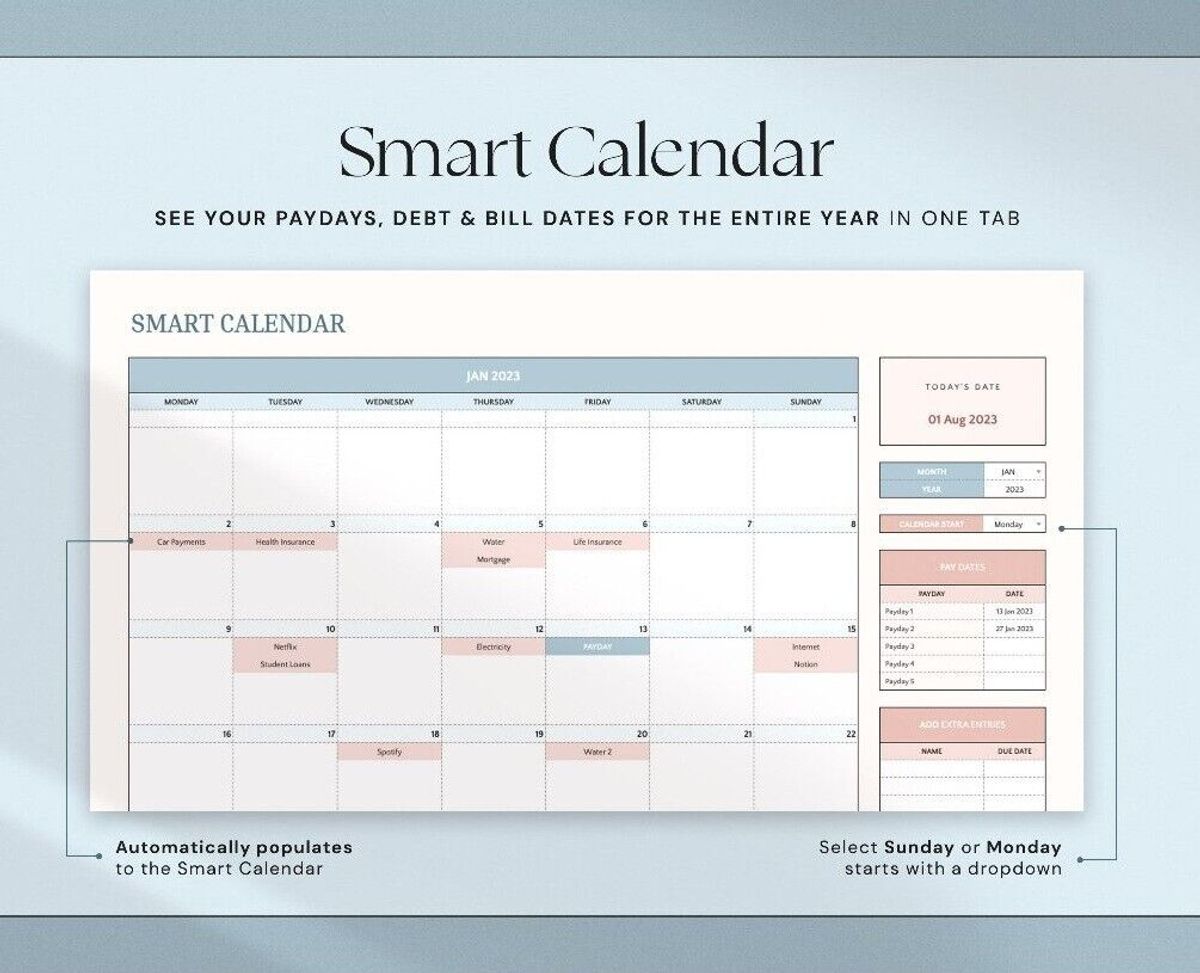
To ensure financial discipline throughout 2024, schedule your monthly budget meetings now. These sessions are pivotal in maintaining control over your finances and should be treated with the same importance as any other significant appointment. Mark a specific day and time each month that suits you, and commit to it as a recurring event.
Review your income and expenses
Adjust your budget to reflect any changes in your financial situation
Set financial targets for the upcoming month
By consistently dedicating time to manage your finances, you create a structured environment that fosters financial growth and stability.
Remember, the key to successful budgeting is not just creating a plan, but also regularly evaluating and adjusting that plan to align with your financial reality. These monthly check-ins provide the opportunity to make proactive adjustments and keep your financial goals within reach.
Staying Accountable with Regular Reviews
Maintaining a regular schedule for budget meetings is crucial for staying accountable and keeping a structured approach to your finances. It's important to set a fixed day each month to review your budget, which should be marked as a non-negotiable appointment on your calendar. This consistent practice allows you to track expenses, evaluate progress, and adjust your spending plan as needed.
By involving your partner or family in these regular reviews, you foster collaboration and shared responsibility. It's not just about tracking financial progress; it's about making continuous improvements. Consistency and communication are the pillars of this process.
Having an accountability partner can significantly enhance your commitment to your budget. Sharing your financial goals and plans with someone you trust, and having regular discussions about your progress, can provide the motivation to maintain your financial discipline.
Remember, the ultimate aim is to gain control over your finances and steadily work towards your desired financial future. A regular budgeting routine is key to this success. Whether it's weekly or monthly, find a schedule that suits you and stick to it. This will help you establish good financial habits and reach your financial milestones.
Adjusting Your Budget for Financial Stability
Financial stability requires a dynamic approach to budgeting, one that adapts to life's inevitable changes. Regularly reviewing and adjusting your budget is key to maintaining control over your finances. It's not just about sticking to a plan, but also about being flexible and responsive to new circumstances.
Review your budget monthly to ensure it reflects your current financial situation.
Identify areas where adjustments are needed, such as cutting unnecessary expenses or reallocating funds.
Embrace deviations as part of the process, aiming for 80% adherence to your budget.
Embrace the journey towards financial stability as an opportunity for continuous improvement and self-reflection.
Remember, a budget is not set in stone. It's a living document that should evolve with you. By making informed adjustments, you can ensure that your budget serves as a foundation for a prosperous financial future.
Enhancing Spending Habits for a Prosperous Future

Analyzing and Reducing Expenses
To ensure financial prosperity, analyzing and reducing expenses is a critical step. Begin by tracking your spending to distinguish between essential and non-essential costs. This process will highlight areas ripe for cost-cutting, allowing you to focus on discretionary expenses where reductions are most feasible.
Comb through all of your expenses
Categorize each as a 'need' or 'want'
Prioritize reducing 'wants'
Implement changes, like dining out less or reducing luxury purchases
By consciously deciding to reduce or eliminate non-essential spending, you can redirect funds towards savings or debt repayment, significantly impacting your financial health.
Financial tools such as You Need a Budget (YNAB), Empower, and EveryDollar can assist in tracking and managing your expenses. Use these tools to create a clear picture of your spending habits and identify opportunities to save. Remember, even small changes can lead to substantial savings over time.
Mindful Spending and Money-Saving Techniques
In the quest for financial stability, improving your spending habits is as important as setting goals. Scrutinize your expenses to pinpoint where you can pare down or opt for more thoughtful choices. This might mean seeking less expensive alternatives, negotiating bills, or embracing techniques like meal planning or couponing to save money.
To effectively reduce unnecessary spending, follow these steps:
Examine all your expenses closely
Categorize each as a 'need' or 'want'
Concentrate on the 'wants'
Decide what to reduce or eliminate
Redirect savings to an interest-bearing account
Embrace the practice of reflecting on past spending to identify overindulgences or errors. Use this insight to foster better financial decisions moving forward.
Remember, adopting a frugal lifestyle doesn't happen overnight. It requires a commitment to evaluating your expenses and making incremental changes that can lead to significant savings over time. By combining various techniques, such as cutting out non-essential expenses and finding additional sources of income, you can save money swiftly and establish enduring financial habits.
Goal Setting and Positive Change Implementation
After setting financial goals, the next crucial step is to implement positive changes that ensure the achievement of these objectives. Consistency is the cornerstone of financial success, and it's important to embrace a mindset geared towards continuous improvement. Here's a simple timeline to guide your journey:
Month | Key Actions | Benefits |
|---|---|---|
1 | Establish budgeting routine, track expenses | Builds discipline and awareness |
2 | Review and adjust budget, set realistic goals | Promotes continuous improvement |
3 | Evaluate progress, identify areas for improvement | Encourages reflection for success |
The only way to make a real change in your financial habits is by recognizing areas for improvement and taking action to make positive changes.
As you progress, take five minutes monthly to review past spending and identify trends that need adjustment. This brief reflection can lead to significant improvements in your spending habits. Strive for 80% adherence to your budget, acknowledging that perfection is less important than persistent effort and gradual enhancement of your financial practices.
Conclusion
As we wrap up our journey through the financial landscape of 2024, it's clear that the key to mastering your money lies in proactive planning and disciplined execution. By embracing budgeting solutions, prioritizing debt repayment, and seizing saving opportunities, you can navigate the year with confidence. Remember, financial success is not a sprint but a marathon that requires consistency, regular reviews, and adjustments to your budget. Start today by scheduling your monthly budget meetings and take the first step towards a stable and prosperous financial future. Let the wisdom of Dave Ramsey guide you: 'A budget is telling your money where to go instead of wondering where it went.' With determination and the right strategies, you can ensure that your money works for you, paving the way to achieving your financial goals in 2024 and beyond.
Frequently Asked Questions
What are some effective budgeting solutions I can implement in 2024?
For 2024, consider using budgeting apps or tools to track your expenses, set up automatic savings, and categorize your spending. Additionally, adopting the 50/30/20 rule can help manage your finances by allocating 50% of your income to necessities, 30% to wants, and 20% to savings and debt repayment.
How can I live frugally and still save money?
Living frugally involves cutting unnecessary expenses, shopping for deals, and prioritizing value over luxury. You can save money by meal planning, using public transportation, and avoiding impulse purchases. Remember, frugality doesn't mean depriving yourself but rather being resourceful with your spending.
What strategies can help me effectively pay off debt in 2024?
Focus on paying down high-interest debts first, as they cost you the most over time. Create a structured debt repayment plan, possibly using the debt avalanche or snowball method. Also, consider consolidating debts to lower interest rates and simplify payments.
What savings options should I explore in 2024?
Maximize your retirement savings by contributing to 401(k) plans or IRAs. Build an emergency fund to cover unexpected expenses, and if eligible, contribute to a Health Savings Account (HSA) for medical expenses. Each option offers different benefits, so choose based on your financial goals and circumstances.
How often should I schedule budget meetings in 2024?
Monthly budget meetings are ideal for reviewing your spending, tracking progress towards goals, and making necessary adjustments. Set a consistent date each month to ensure financial accountability and maintain financial stability throughout the year.
How can I enhance my spending habits for a more prosperous future?
Analyze your current expenses to identify areas for reduction. Implement mindful spending by questioning the value and necessity of each purchase. Adopt money-saving techniques like bulk buying, using discounts, and limiting luxury expenditures. Set clear financial goals and work towards them diligently.
Write your comment if you have any questions about the topic, and we will answer you as soon as we see your comment .