
.png)

Juicing is the process of extracting juice from fruits and vegetables, providing a concentrated source of essential nutrients. It is a popular method to increase your intake of vitamins, minerals, and antioxidants in a convenient and delicious way.
Benefits of Juicing
Hydration: Juices are an excellent way to stay hydrated, especially for those who struggle to drink enough water throughout the day.
Digestive Health: The liquid form of juices can be easier for your body to digest and absorb nutrients compared to whole fruits and vegetables.
Weight Management: Juicing can be a helpful tool for weight management as it can help reduce cravings for unhealthy snacks and increase your intake of nutritious foods.
Getting Started with Juicing
Select Fresh Produce: Opt for organic fruits and vegetables whenever possible to minimize exposure to pesticides and maximize nutritional content.
Experiment with Recipes: Start with simple juice combinations and gradually experiment with different fruits, vegetables, and herbs to find your favorite flavors.
Preparation: Wash and chop your produce before juicing to make the process more efficient and ensure a smooth consistency.
Enjoy Fresh: Drink your juice immediately to avoid oxidation and preserve the freshness and nutritional value of the juice.
Juicing can be a fun and creative way to nourish your body with essential nutrients. In the following sections, you will find a variety of delicious juice recipes to help you on your journey to better health.
Choosing the Right Ingredients
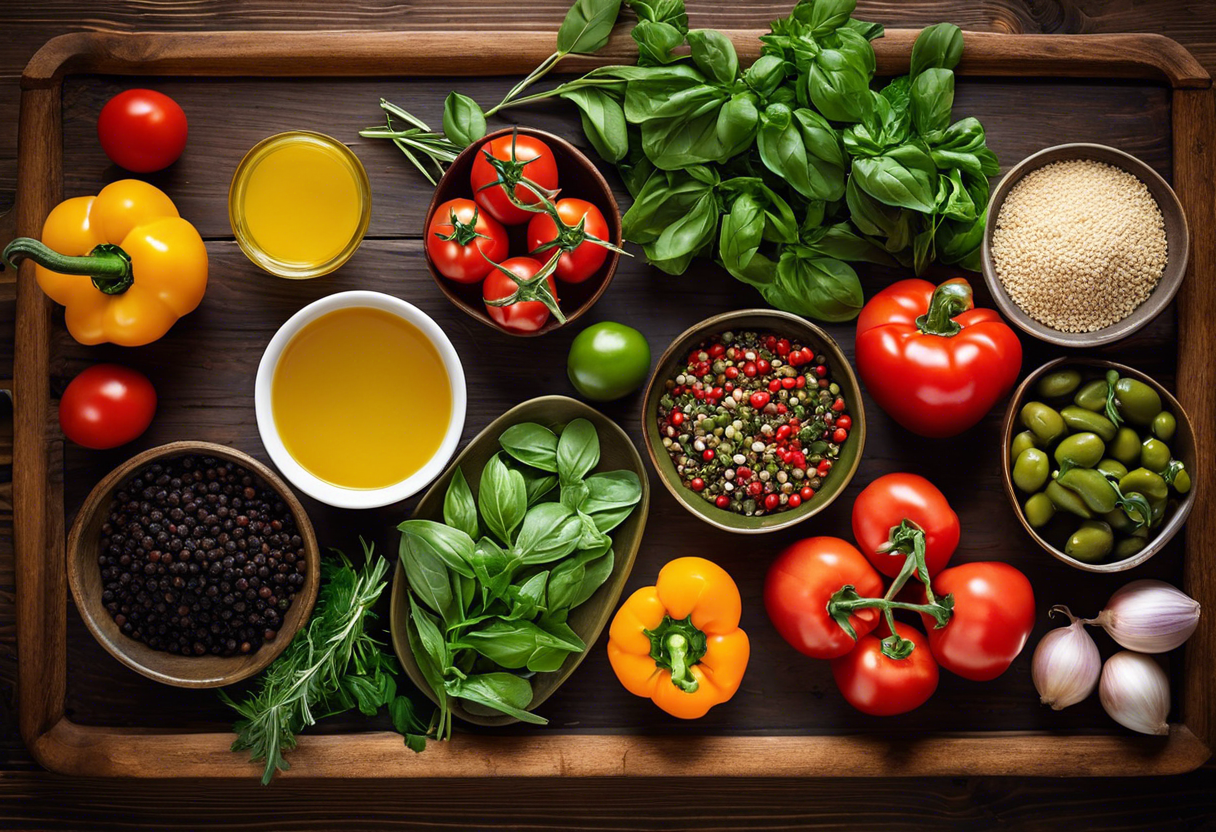
When embarking on a juicing journey, selecting the optimal ingredients is crucial to ensure both taste and health benefits. Here are essential tips to guide you in choosing the right ingredients:
Fresh is Best:
Colorful Variety:
Balance is Key:
Seasonal Selections:
Herbs and Spices:
By carefully selecting your ingredients based on freshness, variety, balance, seasonality, and the inclusion of herbs and spices, you can create delicious and nutritious juices that cater to your taste preferences and health goals.
Health Benefits of Fresh Juices
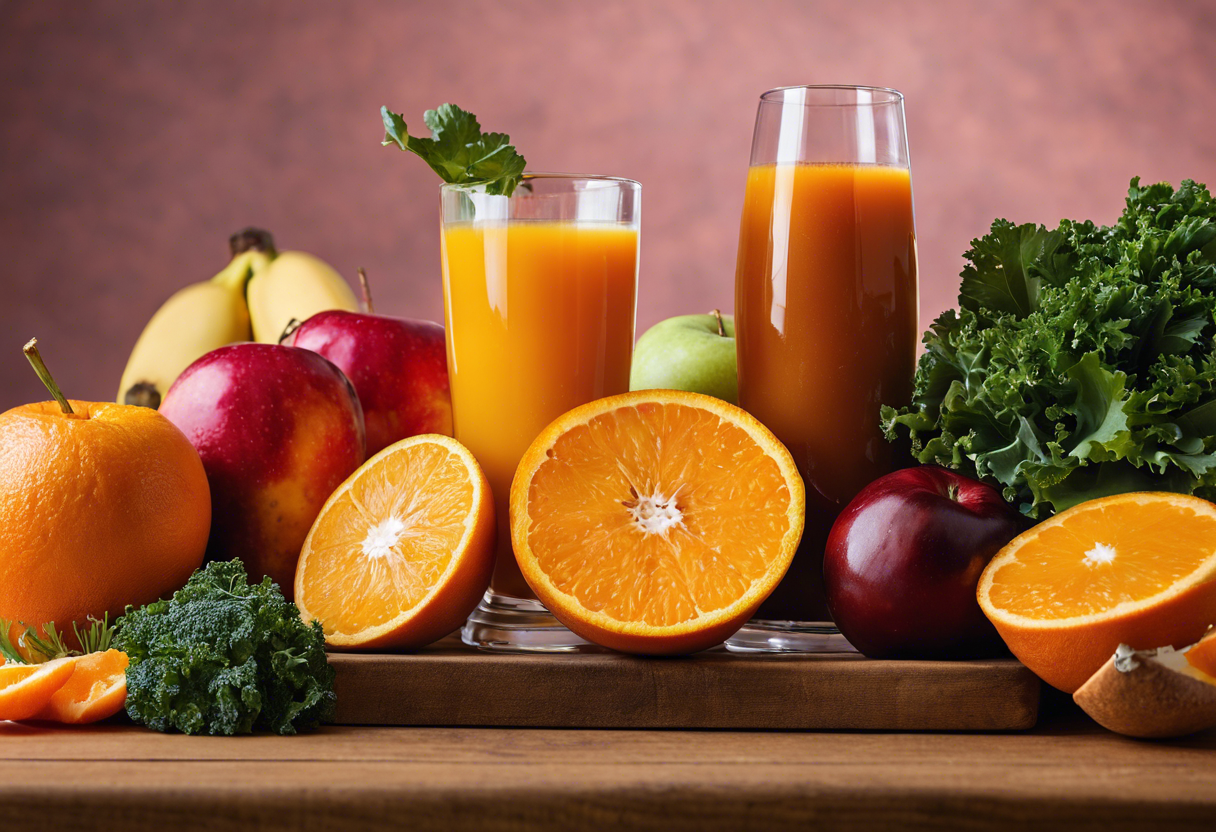
Fresh juices offer a plethora of health benefits due to their concentrated nutrients and antioxidants. Here are some key advantages of incorporating fresh juices into your diet:
Nutrient Boost: Fresh juices provide a quick and easy way to boost your intake of essential vitamins, minerals, and enzymes that are vital for overall health and well-being.Hydration: Juices are an excellent way to stay hydrated, especially for those who struggle to drink enough water throughout the day. The high water content in juices helps keep the body hydrated and supports various bodily functions.
Improved Digestion: The enzymes present in fresh juices can aid digestion by breaking down food more efficiently, reducing bloating and discomfort.
Detoxification: Fresh juices can support the body's natural detoxification processes, helping to eliminate toxins and promote a healthy liver function.
Weight Management: Juicing can be beneficial for weight management as it provides essential nutrients while keeping calorie intake in check. It can also help curb cravings for unhealthy snacks.
Boosted Immunity: The high levels of vitamins and antioxidants in fresh juices can strengthen the immune system, helping the body fight off infections and illnesses.
Glowing Skin: The hydrating and nutrient-dense properties of fresh juices can promote healthy skin from the inside out, leading to a radiant complexion.
Increased Energy: Nutrient-rich juices can provide a natural energy boost without the need for stimulants like caffeine, helping you feel more alert and focused throughout the day.
Incorporating a variety of fresh juices into your diet can be a delicious way to enhance your overall health and well-being.
Tips for Making Delicious and Nutritious Juices
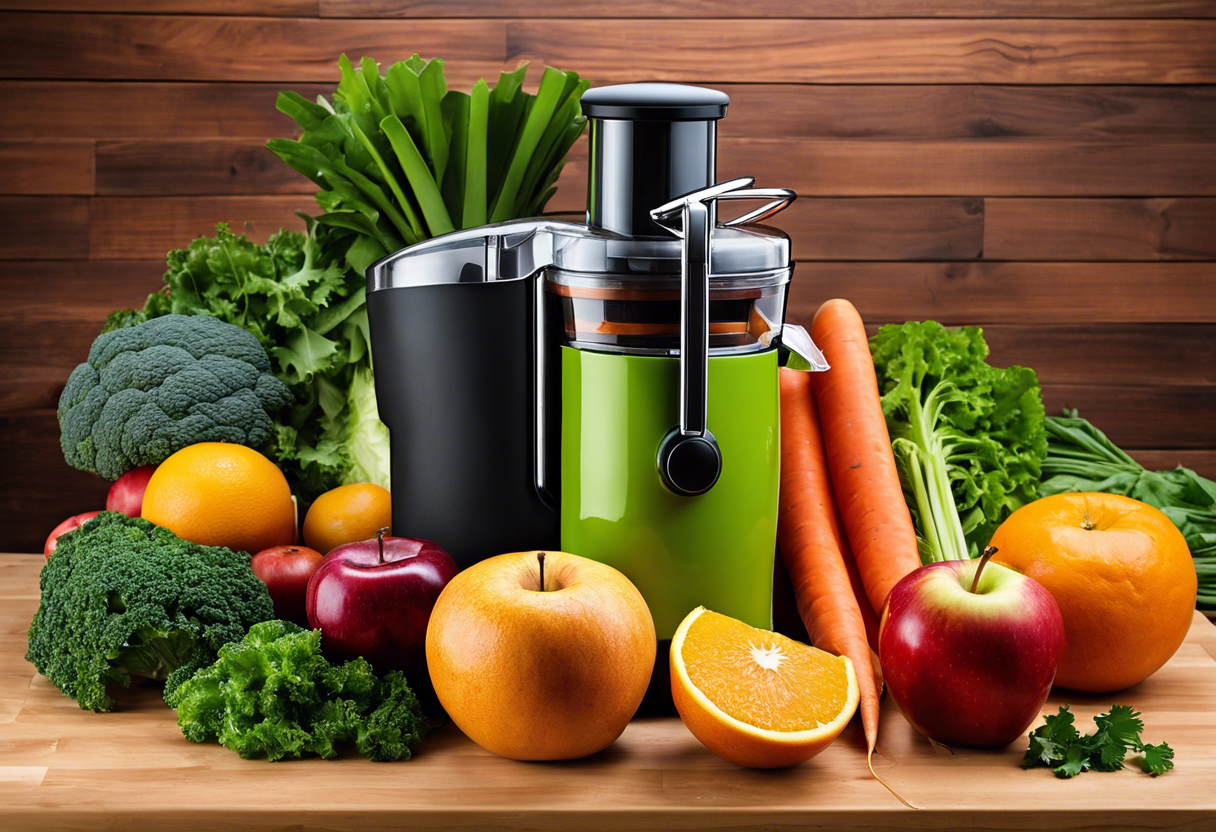
Incorporate a Variety of Ingredients: To ensure you are getting a wide range of nutrients, mix up your ingredients. Include a combination of leafy greens, fruits, vegetables, and herbs in your juices.
Balance Flavors: To create a delicious juice, balance the flavors of sweet, tart, and savory ingredients. Consider adding a citrus fruit for acidity, a sweet fruit like apple for natural sweetness, and a vegetable like cucumber for freshness.
Drink Immediately: For the most nutritional benefit and best taste, it's recommended to drink your juice immediately after making it. This helps preserve the enzymes and antioxidants present in the fresh ingredients.
Experiment with Herbs and Spices: Don't be afraid to add herbs and spices to your juices to enhance the flavor profile. Try mint, ginger, basil, or cinnamon for an added kick of freshness or warmth.
Consider Texture: If you prefer a smoother juice, strain it through a fine mesh sieve or cheesecloth. If you enjoy a bit of texture, leave the pulp in for added fiber.
Stay Hydrated: While juices can be a great way to increase your fruit and vegetable intake, they shouldn't replace water intake. Make sure to drink plenty of water throughout the day to stay hydrated.
Personalize Your Recipes: Feel free to tailor recipes to suit your taste preferences and dietary needs. Adjust the ingredients and quantities to create juices that you enjoy and that work for your body.
Clean Your Juicer Thoroughly: After each use, be sure to clean your juicer thoroughly to prevent bacteria growth and maintain optimal juicing performance.
By following these tips, you can create delicious and nutritious juices that support your overall health and well-being.
Incorporating Superfoods into Your Juices
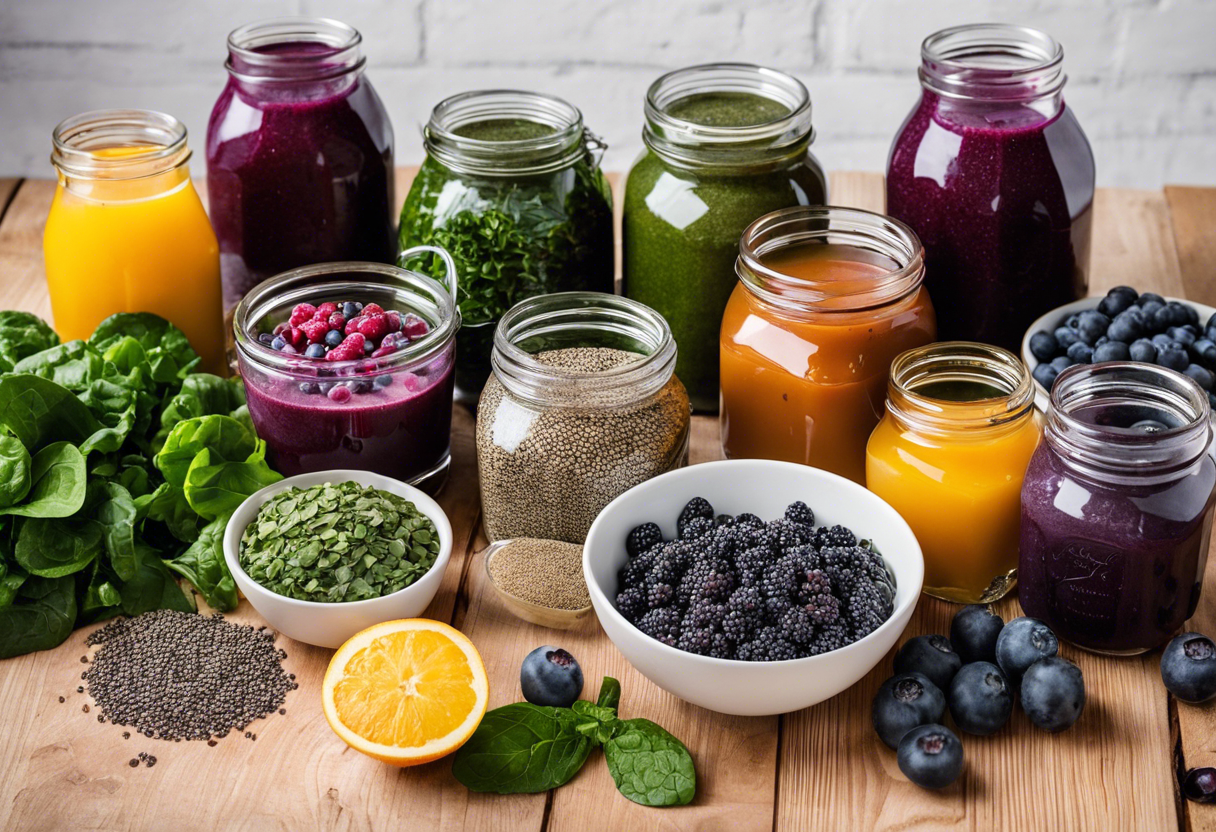
When it comes to juicing for health, incorporating superfoods into your recipes can elevate the nutritional value of your juices. Superfoods are nutrient-rich foods that are beneficial for health and well-being. Here are some superfoods to consider adding to your juices:
Spinach: Packed with vitamins, minerals, and antioxidants, spinach is a versatile superfood that can easily be incorporated into juice recipes.Kale: Known for its high vitamin K, vitamin C, and fiber content, kale is a powerful superfood to add to your juice blends.
Chia Seeds: Rich in omega-3 fatty acids, fiber, and antioxidants, chia seeds can provide a nutritional boost to your juices.
Turmeric: This golden spice has anti-inflammatory properties and can add a unique flavor and color to your juices.
Ginger: Known for its digestive benefits, ginger can also add a zingy flavor to your juice creations.
Berries: Blueberries, strawberries, and raspberries are loaded with antioxidants and can add natural sweetness to your juices.
Spirulina: A type of blue-green algae, spirulina is a nutrient-dense superfood that can be a great addition to green juices.
By incorporating these superfoods into your juices, you can create delicious and nutritious blends that support your overall health and well-being. Experiment with different combinations to find the flavors and health benefits that work best for you.
Juicing for Weight Loss
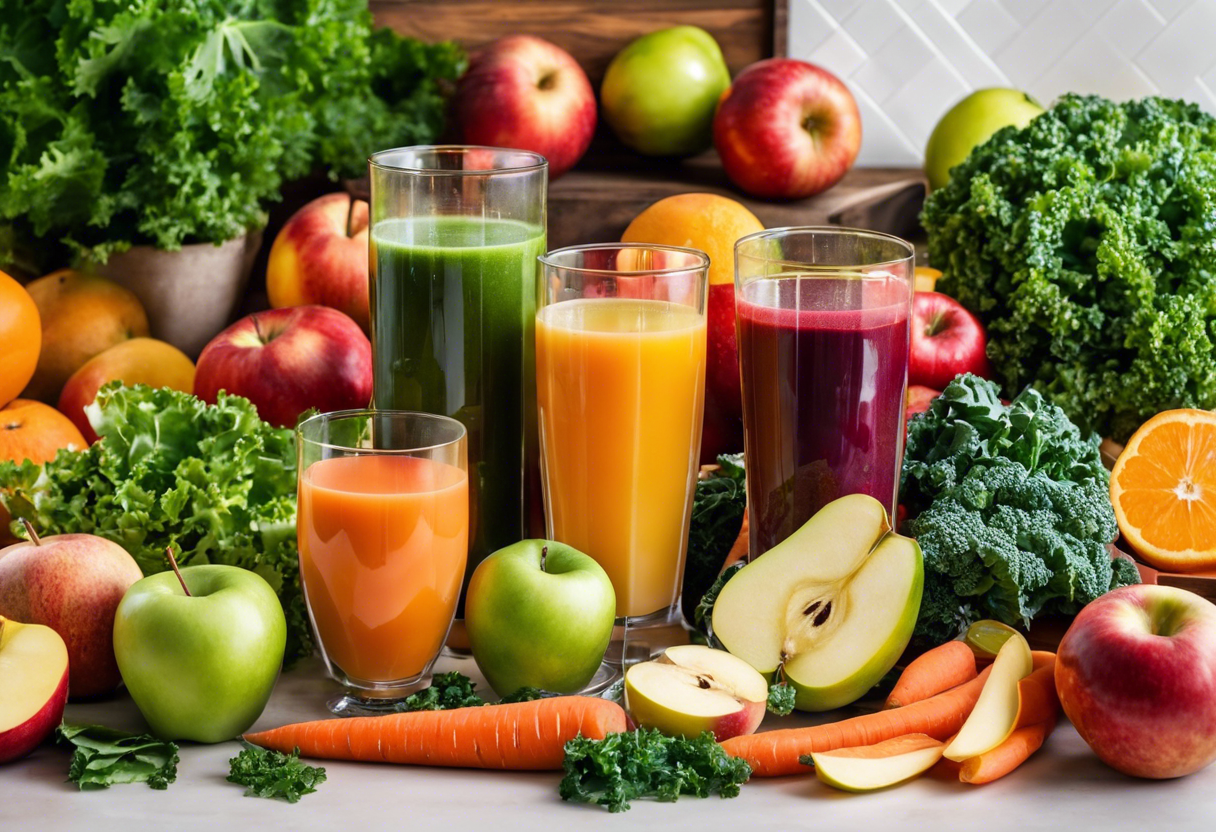
For individuals looking to shed excess weight, juicing can be an effective tool when incorporated into a balanced diet and healthy lifestyle. By focusing on nutrient-dense fruits and vegetables, juicing can provide essential vitamins, minerals, and antioxidants while helping to reduce calorie intake. Here are some key points to consider when juicing for weight loss:
Choose Low-Sugar Options: Opt for low-sugar fruits such as berries, apples, and citrus fruits to minimize the overall sugar content of your juices.Incorporate Leafy Greens: Include leafy greens like spinach, kale, and Swiss chard in your juices to boost their nutrient content and fiber, which can help keep you feeling full.
Add Protein: Consider adding protein sources like Greek yogurt, chia seeds, or protein powder to your juices to support muscle maintenance and manage hunger levels.
Limit Added Sweeteners: Avoid adding extra sweeteners like sugar or honey to your juices, as these can increase the calorie content without providing significant nutritional benefits.
Stay Hydrated: In addition to juicing, be sure to drink plenty of water throughout the day to stay hydrated and support your body's natural detoxification processes.
Remember, juicing should complement a well-rounded diet and exercise routine when used as a weight loss tool. It is essential to consult with a healthcare provider or nutritionist before making significant changes to your diet, especially if you have any underlying health conditions. By incorporating juicing into a healthy lifestyle, individuals may experience weight loss results while also benefiting from increased energy levels and improved overall well-being.
Juicing for Detoxification
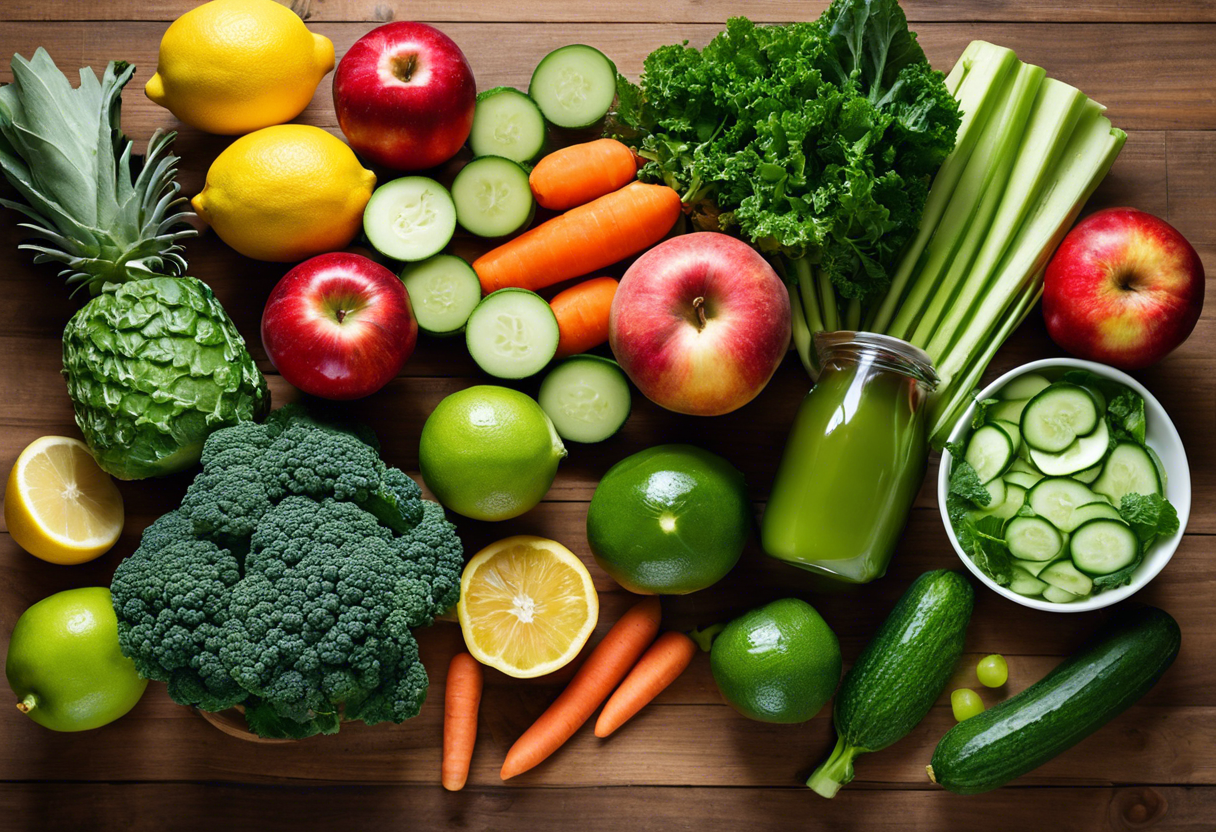
Juicing has become increasingly popular as a method for detoxifying the body, helping to rid it of harmful toxins and promoting overall wellness. When done correctly, juicing can provide a quick and effective way to cleanse the body and boost energy levels. Here are some key points to consider when juicing for detoxification:
Choose the Right Ingredients: Opt for fruits and vegetables known for their detoxifying properties, such as kale, spinach, cucumber, lemon, and ginger. These ingredients are rich in antioxidants and nutrients that support the body's natural detoxification processes.Include Green Leafy Vegetables: Leafy greens like kale and spinach are excellent choices for detox juices due to their high chlorophyll content, which helps to cleanse the blood and support liver function.
Add Citrus Fruits: Citrus fruits like lemon and grapefruit are known for their detoxifying properties and high vitamin C content, which can help boost the immune system and aid in the elimination of toxins.
Incorporate Herbs and Spices: Herbs like parsley and cilantro, as well as spices like ginger and turmeric, can add flavor to your juices while providing additional detoxification benefits.
Stay Hydrated: It's essential to drink plenty of water while juicing to help flush out toxins and keep the body hydrated.
Limit Sugary Ingredients: While fruits are an essential component of juices, be mindful of high-sugar fruits like apples and beets. Opt for more vegetables than fruits to keep sugar levels in check.
Consider a Juice Cleanse: If you're looking to jumpstart your detoxification process, you may want to try a juice cleanse, where you consume only fresh juices for a set period. Make sure to consult with a healthcare professional before starting a cleanse.
By incorporating these tips into your juicing routine, you can support your body's natural detox processes and promote overall health and well-being.
Juicing for Better Skin

Juicing can be an excellent way to improve the health and appearance of your skin. By incorporating certain fruits and vegetables into your juices, you can provide your skin with essential vitamins and nutrients that promote a healthy glow and combat common skin issues.
Hydration: Juices high in water content, such as cucumber, watermelon, and celery, can help keep your skin hydrated from the inside out, ensuring a plump and radiant complexion.Antioxidants: Fruits like berries, citrus fruits, and leafy greens are packed with antioxidants that help protect your skin from oxidative stress and damage caused by free radicals, ultimately reducing signs of aging and promoting skin elasticity.
Vitamin C: Citrus fruits like oranges, lemons, and grapefruits are rich in vitamin C, which is essential for collagen production, brightening the skin, and promoting an even skin tone.
Vitamin E: Ingredients like almonds, spinach, and avocados are excellent sources of vitamin E, known for its moisturizing and anti-inflammatory properties, which can help with conditions like eczema and psoriasis.
Beta-carotene: Carrots, sweet potatoes, and mangoes are loaded with beta-carotene, a precursor to vitamin A that can help maintain healthy skin by promoting cell turnover and protecting against UV damage.
By incorporating these skin-loving ingredients into your juice recipes, you can support your skin's health and appearance from the inside out, achieving a radiant and youthful complexion.
Juicing for Immune Support
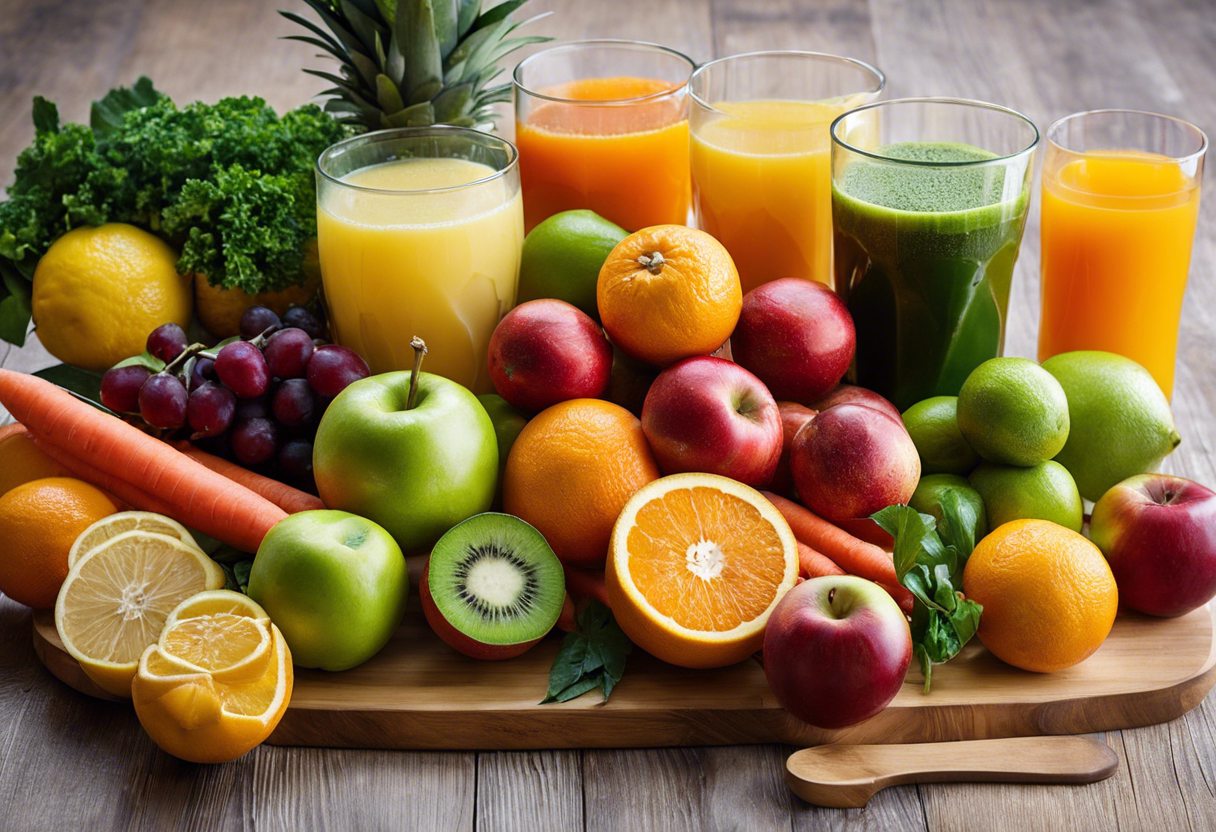
Juicing can be a powerful tool to support a healthy immune system. By incorporating specific fruits and vegetables into your juices, you can boost your body's defenses against illness and infection. Here are some key ingredients to include in your immune-boosting juices:
Citrus Fruits: Oranges, lemons, and grapefruits are rich in vitamin C, which is known to enhance immune function.Ginger: This root has anti-inflammatory and antioxidant properties that can help support the immune system.
Turmeric: A potent anti-inflammatory spice that can aid in immune response.
Leafy Greens: Spinach, kale, and Swiss chard are packed with vitamins, minerals, and antioxidants that support overall health and immunity.
Berries: Blueberries, strawberries, and raspberries are high in antioxidants that can help protect cells from damage.
Remember to mix and match these ingredients to create delicious and nutritious juice combinations that will not only taste great but also help keep your immune system strong.
Experiment with different recipes to find the flavors you enjoy while giving your body the nutrients it needs to thrive. Incorporating juicing into your routine can be a tasty and convenient way to give your immune system the support it needs to stay healthy.
Conclusion

By experimenting with different combinations and recipes, you can tailor your juices to suit your taste preferences and health goals.
Regularly consuming fresh juices can provide a significant source of essential vitamins, minerals, and antioxidants.
Including a variety of fruits and vegetables in your juicing routine can help promote overall health and well-being.
Be mindful of portion sizes and sugar content when juicing, especially if you are watching your calorie intake or sugar levels.
Remember to clean your juicer thoroughly after each use to prevent bacterial growth and maintain optimal performance.
Juicing is not a replacement for whole fruits and vegetables but can complement a healthy and balanced diet.
Consult with a healthcare professional or nutritionist before making significant changes to your diet, especially if you have specific health concerns or conditions.
Whether you are new to juicing or a seasoned enthusiast, incorporating fresh juices into your diet can be a refreshing and nutritious addition. Experiment with different ingredients, explore creative combinations, and enjoy the benefits of juicing for your overall health and well-being.
Write your comment if you have any questions about the topic, and we will answer you as soon as we see your comment .